Em 30 de junho, a Reuters informou que três fontes familiarizadas com o assunto disseram à Reuters na terça-feira que o governo dos Estados Unidos está elaborando um novo conjunto abrangente de regulamentações para proibir completamente a importação de inversores fotovoltaicos e de armazenamento de energia fabricados na China.
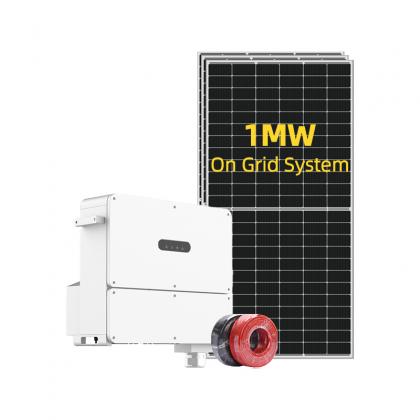
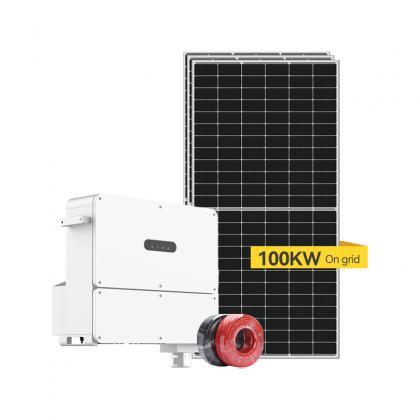
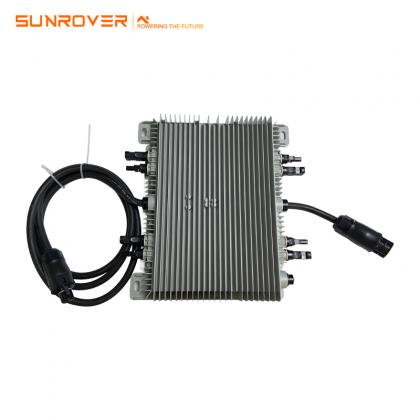
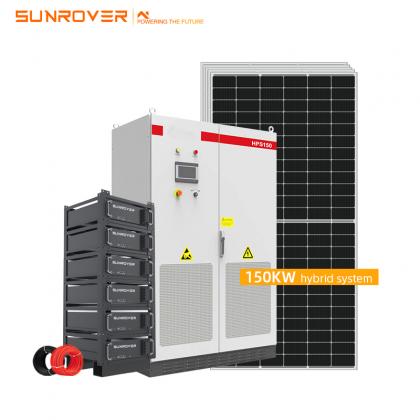
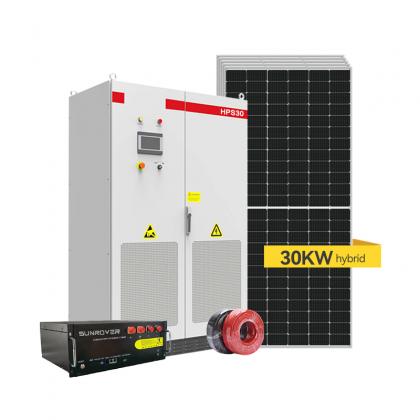
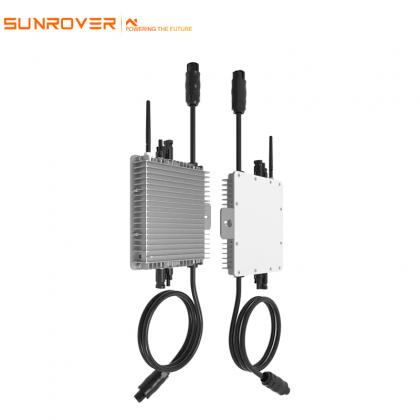
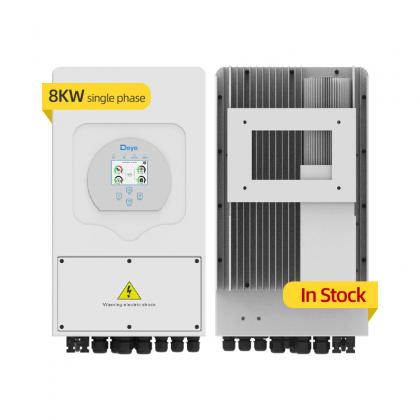
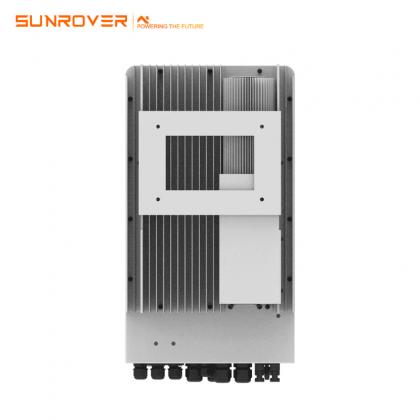
Os inversores são dispositivos eletrônicos de potência essenciais que convertem a saída de corrente contínua (DC) de painéis solares e baterias de armazenamento de energia em corrente alternada (AC) adequada para redes elétricas residenciais e públicas; eles são conhecidos no setor como o "cérebro" das usinas de energia de novas energias.
Fabricantes chineses como Huawei Digital Energy, Sungrow Power Supply e Deye Power Technology detêm coletivamente mais de 60% da participação de mercado global de inversores residenciais e de usinas de grande escala.
Dois altos funcionários do governo confirmaram que consultas interagências lideradas pelo Bureau of Industry and Security (BIS) do Department of Commerce dos Estados Unidos e pelo Department of Energy começaram em abril de 2026, com uma preocupação central sendo uma vulnerabilidade de segurança no firmware dos inversores chineses que poderia permitir acesso remoto à rede.
Autoridades dos Estados Unidos afirmam que tais dispositivos poderiam ser explorados para paralisar massivamente a rede elétrica doméstica dos EUA em uma emergência nacional. Este novo conjunto de regulamentações proposto planeja proibir completamente a importação de inversores de energia fabricados por empresas listadas na lista "Foreign Entities Watch" list.
A lista abrange quase todos os principais fabricantes chineses de equipamentos de energia renovável. Diferentemente das restrições de subsídios existentes sob o Inflation Reduction Act (IRA), que apenas limitavam projetos de reivindicar subsídios federais, a nova ordem impedirá diretamente que os equipamentos passem pela alfândega, independentemente de o projeto ter usado fundos governamentais.
Uma fonte informada envolvida na redação da proposta afirmou que o rascunho inicial incluía apenas exceções temporárias muito restritas: uma pequena quantidade de estoque residencial já enviada aos EUA não seria afetada; no entanto, uma vez que a nova regra entre em vigor, todos os equipamentos novos de fábricas chinesas serão proibidos de entrar no país.
Espera-se que a política seja oficialmente implementada no início de 2027 após um período de consulta pública. Associações industriais que representam instaladores fotovoltaicos e desenvolvedores de energia renovável dos EUA alertam que a proibição repentina aumentará imediatamente os preços de equipamentos fotovoltaicos e de armazenamento de energia. Atualmente, a capacidade de produção dos fabricantes ocidentais de inversores é completamente insuficiente para substituir os fornecimentos chineses em larga escala.
Organizações da indústria afirmam que fornecedores europeus e startups dos EUA precisarão de pelo menos dois a três anos para expandir a produção para atender à demanda atual do mercado. Desde o final de 2025, legisladores republicanos têm pressionado a White House a adotar restrições rigorosas a inversores. Naquela época, mais de 50 membros da Câmara escreveram conjuntamente ao governo, pedindo controles abrangentes de importação com base em segurança nacional. As novas regulamentações elaboradas pelo governo são altamente consistentes com a estrutura de políticas proposta naquela carta do Congresso.
A Reuters contatou um porta-voz do Department of Commerce para verificação, que nem confirmou nem negou as medidas de controle em rascunho, declarando apenas que os Estados Unidos continuam avaliando riscos de cadeia de suprimentos e de cibersegurança para infraestruturas críticas de energia.
Analistas de energia apontam que a proposta de proibição dos EUA é semelhante na abordagem a políticas anteriores da UE: a UE emitiu regras no primeiro semestre de 2026 proibindo que fundos públicos sejam investidos em projetos de energia limpa que utilizem inversores chineses, citando os mesmos motivos de cibersegurança; a proibição direta e abrangente de importação dos EUA representa um nível mais forte de controle.