A exportação de baterias de lítio poderá em breve exigir uma etapa processual adicional.
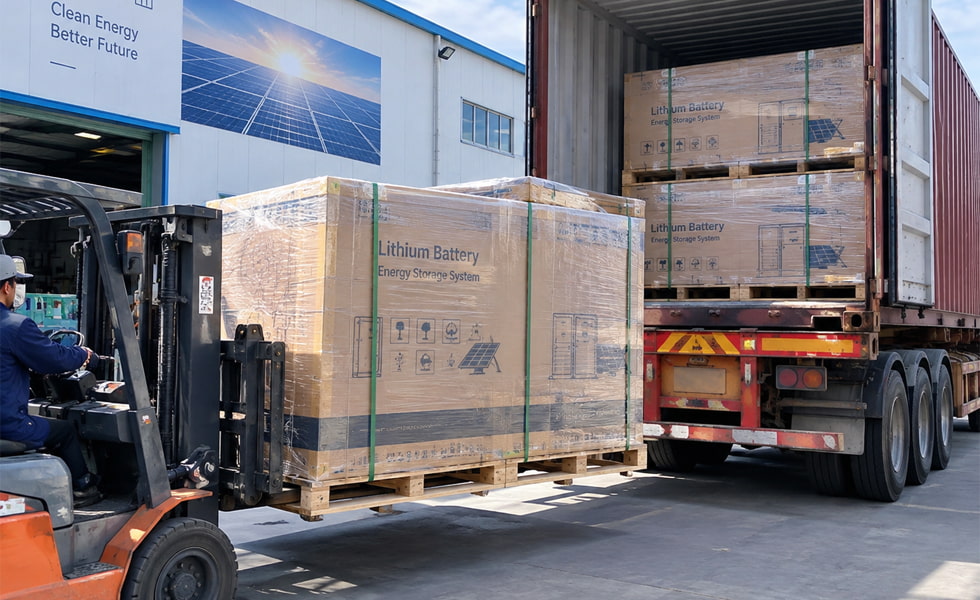
Recentemente, o CINS (Cargo Incident Notification System), uma organização de segurança dentro da indústria de transporte marítimo de contêineres, emitiu um conjunto de recomendações sobre o transporte marítimo de baterias de íon-lítio. O documento propõe que até mesmo os embarques de baterias de íon-lítio atualmente isentos sob a Disposição Especial 188 (SP188) do Código IMDG — e, portanto, não sujeitos a procedimentos completos de declaração de mercadorias perigosas — sejam incluídos no escopo das declarações obrigatórias.
Embora isso possa parecer apenas uma sugestão para uma etapa administrativa extra, as implicações são muito mais complexas para a indústria de baterias de lítio, que depende fortemente das exportações marítimas.
01. Por que impor controles mais rígidos sobre as baterias de lítio?
Vamos primeiro examinar o cerne da proposta do CINS. Em suma, ela se resume a dois pontos:
Primeiro, declaração obrigatória para todos os embarques contendo baterias de lítio. Independentemente de atenderem ou não aos critérios de isenção da SP188, todos esses embarques devem ser declarados como mercadorias perigosas. Mesmo que o peso bruto de um único contêiner seja de 20 kg ou menos, uma declaração obrigatória é necessária.
Segundo, um limite superior de 20 kg no peso total de baterias de lítio por contêiner. Embarques que excedam esse peso devem cumprir os regulamentos relevantes do IMDG e ser declarados como mercadorias perigosas.
É importante enfatizar que estas são atualmente recomendações da indústria, ainda não regulamentos globais vinculativos. Então, por que o CINS está pedindo declarações obrigatórias agora?
Para entender isso, devemos olhar para a regra em si. A SP188 é uma disposição especial dentro do *International Maritime Dangerous Goods (IMDG) Code*, originalmente projetada para simplificar o transporte de certos produtos de bateria de lítio de baixa capacidade e baixo risco.Células e pacotes de baterias de íon-lítio que atendem a critérios específicos — como uma energia nominal de não mais que 20 Wh por célula ou 100 Wh por pacote — e cumprem requisitos como testes UN38.3, prevenção de curto-circuito e embalagem padronizada, são elegíveis para isenções dos regulamentos padrão de transporte de mercadorias perigosas.
Em termos leigos, itens como uma única célula 18650, uma bateria de laptop ou um power bank não exigem uma declaração de mercadorias perigosas, desde que cumpram os regulamentos.
O problema é que a escala do transporte de baterias de lítio mudou drasticamente. As baterias de lítio expandiram-se muito além da eletrônica de consumo, como telefones celulares e computadores, para setores como veículos de nova energia, sistemas de armazenamento de energia e ferramentas elétricas, resultando em um aumento significativo nos embarques de baterias por via marítima. Além disso, se uma bateria de lítio sofrer fuga térmica, ela pode desencadear incêndios e explosões e apresenta risco de reignição, tornando o combate a incêndios e a resposta de emergência em navios oceânicos significativamente mais difíceis. Dados de segurança de transporte sugerem que essas preocupações são bem fundamentadas. O *Safety and Shipping Review 2026* publicado pela Allianz Commercial revela que houve 218 incidentes de incêndio e explosão envolvendo navios globalmente em 2025 — o segundo maior número na última década. Notavelmente, cargas declaradas incorretamente ou não declaradas — incluindo materiais perigosos como baterias e produtos químicos — representaram aproximadamente um quarto de todos os incidentes relacionados à carga.O relatório também destaca uma ligação entre baterias de íon-lítio e inúmeros grandes incêndios em navios.
Em outras palavras, embora o risco representado por uma única bateria de baixa capacidade possa ser limitado, o volume crescente de baterias de lítio entrando no sistema de transporte de contêineres como carga geral torna difícil para as companhias marítimas rastrear com precisão o que — e quanto — está dentro dos contêineres. Em caso de acidente, a falta de transparência sobre os detalhes da carga não apenas complica o planejamento da estivagem, mas também dificulta a capacidade da tripulação de avaliar a situação e executar medidas de combate a incêndios.
Consequentemente, as recomendações recentes do CINS servem para refocar a atenção na declaração de carga, controles de quantidade e transparência em toda a cadeia de transporte. As tendências da indústria indicam que esse endurecimento dos padrões já está em andamento, com algumas companhias marítimas tendo aumentado proativamente seus requisitos de declaração para embarques de baterias de lítio.
Simplificando, o transporte marítimo de baterias de lítio está se afastando da abordagem anterior de "simplificar sempre que possível" em direção a um modelo que prioriza a divulgação clara de riscos.
02. A economia da exportação de produtos de armazenamento de energia pode precisar de recálculo
Se as recomendações do CINS forem implementadas, a pressão imediata recairá sobre produtos de armazenamento de energia de menor escala — como estações de energia portáteis, sistemas de energia de backup doméstico e unidades de UPS de pequena escala.
Nos últimos anos, esses produtos tornaram-se um componente chave das exportações de armazenamento de energia da China. Como unidades individuais, eles têm capacidades relativamente baixas, e os pacotes de baterias de lítio em alguns modelos atendem aos critérios da Disposição Especial 188 (SP188), permitindo que se beneficiem de regulamentos de transporte simplificados.
Caso o escopo da SP188 seja restrito, esses produtos enfrentariam primeiro uma mudança na classificação de transporte: mudando de um status simplificado e elegível para isenção para o processo completo de declaração de mercadorias perigosas. Essa transição acarreta requisitos mais rigorosos para embalagem, rotulagem, documentação, reserva e operações portuárias, aumentando inevitavelmente os custos de logística e conformidade. Para produtos como estações de energia portáteis — que dependem fortemente da competitividade de preços — esses custos de transporte adicionais provavelmente serão repassados ao preço final do produto, impactando potencialmente a competitividade nos mercados externos. No entanto, a situação para contêineres de armazenamento de energia em larga escala difere; eles não são as "vítimas" diretas dessas mudanças regulatórias.
Atualmente, sistemas de armazenamento de energia em larga escala são normalmente enviados como mercadorias perigosas da Classe 9 e não se enquadram na categoria de carga elegível para a isenção da SP188. Consequentemente, mesmo que os regulamentos da SP188 sejam endurecidos no futuro, a classificação desses grandes contêineres como mercadorias perigosas permanece inalterada.
Isso não significa, no entanto, que o equipamento de armazenamento de energia em larga escala não seja totalmente afetado. Um impacto mais realista pode advir de uma mudança geral no apetite ao risco em toda a indústria de transporte marítimo em relação à carga de baterias de lítio.
À medida que as companhias marítimas, portos e seguradoras elevam o nível de verificação de embarques de baterias de lítio, os contêineres de armazenamento de energia podem enfrentar um escrutínio mais rigoroso em relação à reserva, gerenciamento de carregamento e condições de transporte. Para projetos de armazenamento de energia transoceânicos, fatores como disponibilidade de espaço de carga, estabilidade de cronograma e capacidades de manuseio portuário podem surgir como novas variáveis que influenciam os prazos de entrega.
De fato, os portos domésticos já começaram a suplementar os regulamentos para o transporte marítimo de sistemas de armazenamento de energia. Em agosto, autoridades, incluindo a Administração de Segurança Marítima de Xiamen, publicaram as *Diretrizes para o Transporte Marítimo Seguro de Sistemas de Armazenamento de Energia de Baterias de Íon-Lítio em Contêineres no Porto de Xiamen (Versão 2.0)*. Essas diretrizes refinam os requisitos para prevenção de fuga térmica, inspeção de contêineres, estado de carga (SOC) no embarque e monitoramento e alertas em tempo real. Elas também expandem o escopo para incluir baterias de íon-sódio e híbridas de lítio-sódio e cobrem cenários de transporte adicionais, como navios de uso múltiplo e transporte combinado terra-mar.
Isso ressalta uma tendência chave: a fase de transporte marítimo da exportação de sistemas de armazenamento de energia está mudando de apenas conseguir enviar as mercadorias para garantir que elas sejam enviadas em conformidade com padrões cada vez mais rigorosos.
Mais importante ainda, um projeto completo de armazenamento de energia envolve uma série de componentes — como BMS, EMS, sistemas de gerenciamento térmico e conectores — além das unidades principais. Alguns desses dispositivos auxiliares contêm pequenas baterias de lítio embutidas e podem, da mesma forma, estar sujeitos a mudanças nos regulamentos de declaração e transporte.
Em conclusão:
Para a indústria de armazenamento de energia, a verdadeira questão pode não ser se a SP188 será alterada, mas sim se a segurança no transporte e a conformidade regulatória emergirão como fatores competitivos críticos — ao lado dos preços das células e dos custos do sistema — para produtos destinados a mercados estrangeiros.
A resposta está se tornando cada vez mais clara.
Na próxima fase da globalização do armazenamento de energia, o sucesso dependerá não apenas de os produtos poderem ser vendidos, mas também de poderem ser transportados de forma segura, eficiente e em total conformidade com os regulamentos.