Com a chegada dos feriados, os principais pontos turísticos registraram um aumento sem precedentes no número de visitantes. Vale ressaltar que, embora esse fluxo turístico em larga escala tenha ocorrido, muitas áreas turísticas na China também estão passando por transformações silenciosas.
Nos últimos anos, com a recuperação e o desenvolvimento da indústria do turismo, cada vez mais cidades começaram a desenvolver e modernizar seus pontos turísticos regionais. Especialmente sob a influência das metas de "desenvolvimento de duas vias", o desenvolvimento de baixo carbono tornou-se uma parte crucial da transformação e modernização de muitos pontos turísticos.
Com o rápido crescimento do uso de veículos movidos a novas energias nos últimos anos, a infraestrutura existente em pontos turísticos já não atende às novas demandas. Ao mesmo tempo, novas fontes de energia, como painéis fotovoltaicos, sistemas de armazenamento de energia e pontos de recarga, estão se tornando onipresentes em diversos locais turísticos.
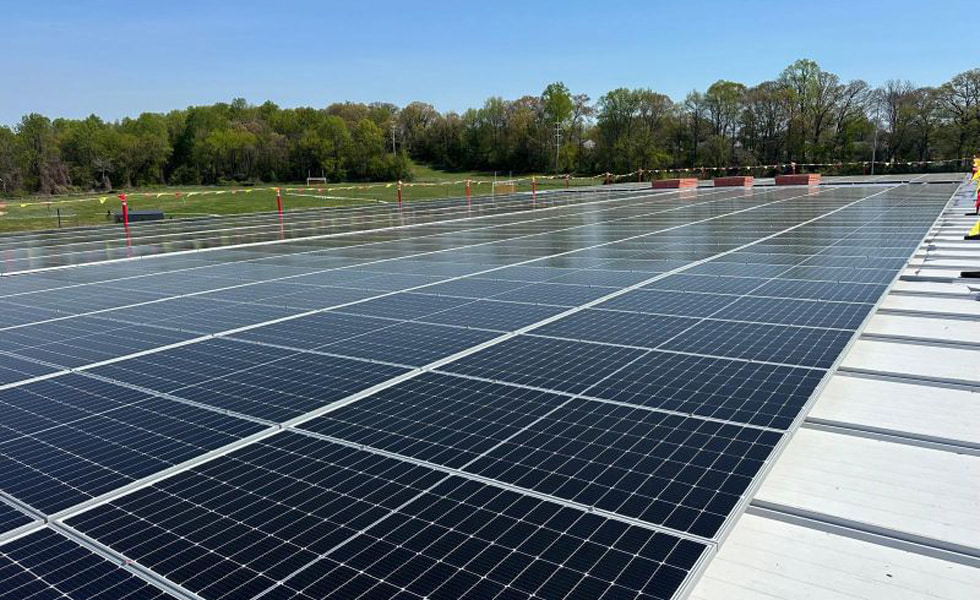
Os sistemas fotovoltaicos se tornaram um novo elemento padrão em pontos turísticos!
Em fevereiro deste ano, foi realizada a cerimônia de lançamento do projeto piloto "Energia Verde + Turismo Cultural" na Prefeitura Autônoma de Dali Bai, na Cidade Antiga de Dali. Este evento marcou a implementação completa do primeiro projeto piloto da província, abrangendo todos os principais cenários de "Energia Verde + Turismo Cultural". O evento foi liderado pelo Departamento de Fornecimento de Energia de Yunnan Dali da Rede Elétrica do Sul da China, em conjunto com o Departamento de Energia da Prefeitura de Dali, o Departamento de Cultura e Turismo da Prefeitura de Dali, o Departamento de Comércio da Prefeitura de Dali, o Departamento de Educação e Esportes da Prefeitura de Dali e o Departamento de Bombeiros e Resgate da Prefeitura de Dali.
Vale ressaltar que este projeto piloto de "energia verde + turismo cultural" não é uma ação de uma única entidade, mas sim um projeto sistemático que envolve a colaboração entre governo e empresas, além da cooperação entre múltiplas partes, resultando em uma situação vantajosa para o desenvolvimento local, as empresas de fornecimento de energia e os operadores de turismo cultural.
Em relação ao fornecimento de energia, o projeto piloto promoverá um modelo de fornecimento diversificado de "energia municipal + energia fotovoltaica distribuída + armazenamento de energia", implantando dispositivos móveis de armazenamento de energia em áreas com consumo concentrado de eletricidade para melhorar a confiabilidade do fornecimento de energia e a autossuficiência em energia verde durante os períodos de pico turístico, consolidando assim a base de infraestrutura para um serviço de fornecimento de energia de primeira classe em uma cidade turística internacional.
Em Fujian, a Ilha Meizhou, um ponto turístico nacional de nível 5A, está se revitalizando com nova energia fontes como a energia fotovoltaica.
Sabe-se que, desde 2022, com o objetivo de criar uma "ilha com emissões de carbono quase nulas", reformas ecológicas têm sido realizadas em edifícios existentes por toda a ilha. Isso inclui a reforma de 48.026 metros quadrados da sede permanente do Fórum Cultural Mazu da Ilha de Meizhou, a reforma de 243.000 metros quadrados de 486 casas de hóspedes, a reforma de 4.678 metros quadrados de uma estação de tratamento de esgoto e a instalação de painéis fotovoltaicos em 7.300 metros quadrados de edifícios existentes.
Foram aplicados 2100 kW de energia solar fotovoltaica em estações de tratamento de esgoto, estacionamentos, terminais de passageiros e outros locais, gerando aproximadamente 2,73 milhões de kWh de eletricidade anualmente e economizando 1,365 milhão de yuans em custos de eletricidade anualmente.
Atualmente, a Ilha Weizhou atingiu a plena capacidade de atingir esse objetivo. energia verde operação de suas estações de tratamento de esgoto por Instalação de sistemas fotovoltaicos em telhados e superfícies de piscinas de tratamento. Os edifícios existentes estão passando por uma modernização fotovoltaica integrada, empregando a tecnologia "fotovoltaica-armazenamento-direto-flexível" para substituição de eletricidade em múltiplos domínios. A cobertura de aquecedores de água com bomba de calor ar-água em casas de hóspedes atingiu 90%, e a cobertura de cozinhas eletrificadas chegou a 100%. O ambiente paisagístico ao redor dos edifícios existentes foi aprimorado, com a taxa de cobertura verde da ilha atingindo 62,66%. Em 2023, as emissões de carbono foram reduzidas em 25.000 toneladas, representando 60% do total de emissões de carbono da ilha.
Além disso, com base nas condições existentes na Ilha Weizhou, mais de 20 tecnologias verdes e de baixo carbono foram introduzidas, incluindo bombas de calor ar-água, sistemas fotovoltaicos integrados, sombreamento de edifícios, janelas e portas com eficiência energética e novos sistemas de energia. Diversos produtos de energia eólica e fotovoltaica são utilizados, como turbinas eólicas em formato de flor, pisos fotovoltaicos, persianas fotovoltaicas, fachadas cortina fotovoltaicas e postes de iluminação híbridos eólico-solar. Ao mesmo tempo, combinando a cultura Mazu com os estilos arquitetônicos residenciais de Putian, a iluminação BIPV (Fotovoltaica Integrada a Edifícios) foi incorporada à paisagem. sistemas fotovoltaicos Foram construídas nos edifícios do cais e na West Ring Road.
No ano passado, na Área Cênica do Mar de Bambu de Nanshan, na província de Jiangsu, a primeira microrrede de carregamento "zero carbono" para áreas turísticas de Jiangsu foi oficialmente inaugurada na cidade de Liyang. Utilizando um modelo de energia verde de "sinergia fotovoltaica-armazenamento-carregamento-carga", ela visa precisamente os principais problemas do Mar de Bambu de Nanshan, como a "distância das cidades e a infraestrutura de carregamento precária", injetando vitalidade de baixo carbono na economia turística.
A plataforma inteligente de regulação e gestão de energia do projeto de microrrede também pode monitorar a carga final em tempo real e alcançar a operação coordenada de "fotovoltaica-armazenamento-carregamento-carga" por meio de algoritmos, melhorando a taxa de consumo local de energia verde fotovoltaica. A estação de carregamento está equipada com 173 pontos de carregamento de vários tipos, com uma potência nominal de carregamento de 4.725 quilowatts, um aumento de nove vezes em comparação com a capacidade de carregamento original. Enquanto isso, a garagem fotovoltaica, com uma capacidade instalada total de 1.120 quilowatts, pode gerar 1,2 milhão de quilowatts-hora de energia verde anualmente. Combinado com 12 sistemas de armazenamento de energia Com uma capacidade total de 1.440 quilowatts, pode satisfazer as necessidades de carregamento de eletricidade verde dos veículos na área turística durante todo o ano, alcançando uma operação essencialmente "zero carbono" durante o processo de carregamento.
Sabe-se que, até o momento, a cidade de Changzhou construiu 9 microrredes de parques industriais com emissão de carbono quase nula, 7 fábricas com emissão de carbono quase nula e 126 projetos de microrredes.
Os benefícios da energia fotovoltaica não se limitam a grandes áreas paisagísticas de nível 5A; algumas áreas paisagísticas de pequeno e médio porte, de níveis 4A e 3A, e até mesmo áreas de serviço ao longo do caminho, já começaram a mostrar sinais de instalação de sistemas fotovoltaicos.
Neste Dia do Trabalho, o projeto de modernização da Área de Serviços de Meixian, em Baoji, província de Shaanxi, foi oficialmente inaugurado. O projeto está localizado na rodovia G30 Lianyungang-Horgos, no condado de Meixian, Baoji, província de Shaanxi, e abrange uma área total de 291,39 acres. O local está dividido em duas zonas principais: a Zona Norte e a Zona Sul. As obras incluem principalmente a infraestrutura da área de serviços, a construção de um novo edifício de serviços completo, a construção de instalações de apoio à área de serviços com emissão zero de carbono e o aumento das áreas verdes.
Este projeto integra energia fotovoltaica (FV), armazenamento de energia, energia eólica e tecnologias de gestão inteligente. Utiliza telhados de edifícios, estacionamentos cobertos e terrenos ociosos circundantes para instalar módulos FV, alcançando um fornecimento estável de eletricidade verde 24 horas por dia, com uma capacidade de geração de energia anual de 3,01 milhões de quilowatts-hora.
O projeto estabelece uma plataforma de gestão inteligente de energia "fonte-rede-carga-armazenamento" líder no país, permitindo o despacho inteligente de energia visualizado e a contabilização de carbono em todo o processo. Inclui também instalações integradas de energia fotovoltaica, armazenamento de energia e carregamento de novas fontes de energia, garantindo o uso de energia 100% renovável para todos os equipamentos consumidores de energia na área de abrangência.
Este projeto é o primeiro projeto de demonstração de "edifício de energia zero" para um edifício de área de serviços abrangente no noroeste da China, alcançando uma taxa anual de economia de energia do edifício de ≥35%, taxa de eletrificação de 100% e taxa de utilização de energia renovável superior a 100%.