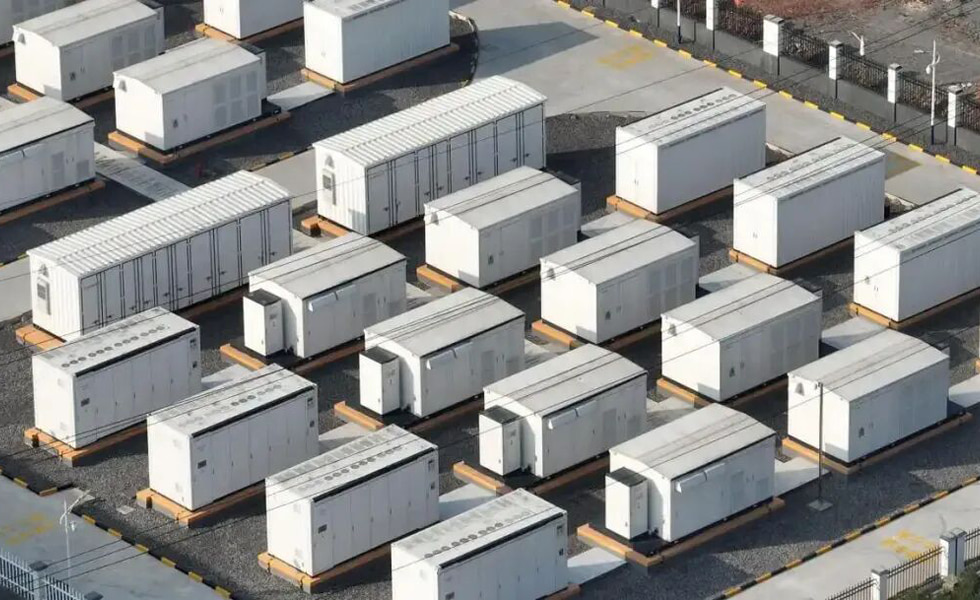
Ao abrir o celular e ver a notícia de que "a capacidade instalada acumulada de energia eólica e solar ultrapassou 1,6 bilhão de quilowatts", você provavelmente não imaginaria que, por trás desse número aparentemente impressionante, o sistema elétrico da China enfrenta os mais graves desafios de segurança de sua história.
Em 2025, a capacidade instalada de novas fontes de energia em todo o país atingiu 227 milhões de quilowatts, representando 70,7% da capacidade total instalada de todas as fontes de energia. Estamos entrando rapidamente em uma era de "dupla alta" — uma alta proporção de novas energias e uma alta proporção de equipamentos eletrônicos de potência.
A geração de energia eólica e solar depende inerentemente das condições climáticas, enquanto os equipamentos eletrônicos de potência são caracterizados por "ausência de inércia e baixo amortecimento". Isso significa que a "rede elétrica robusta", antes sustentada por energia térmica e hidrelétrica, está se tornando uma "rede frágil".
Nessa transformação do sistema de energia que ocorre uma vez a cada século, tecnologia de armazenamento de energia está passando por um salto histórico, da "seguição da rede" para a "construção da rede".
O armazenamento de energia deixou de ser apenas um "banco de energia" para a rede elétrica e está se tornando um "lastro" e "estabilizador" indispensável para o novo sistema de energia.
01. Armazenamento de energia conectado à rede: antes o rei, agora a fraqueza
Nos sistemas de energia tradicionais, o rotor maciço de um gerador síncrono atua como um pesado volante, proporcionando ampla inércia rotacional. Quando a rede é perturbada, esses volantes liberam ou absorvem energia automaticamente para manter a estabilidade da frequência.
O armazenamento de energia conectado à rede foi projetado para esta era. Ele emprega um modo de controle de fonte de corrente, usando um circuito de travamento de fase (PLL) para monitorar a tensão, a frequência e a fase da rede em tempo real, ajustando passivamente sua potência de saída de acordo com os comandos de despacho.
Em resumo, armazenamento de energia montado na rede É como uma "cauda" para a rede elétrica, executando todos os sinais enviados por ela. Sua tecnologia consolidada e baixo custo permitiram que dominasse o mercado de armazenamento de energia até 2020.
No entanto, à medida que a proporção de novas instalações de energia ultrapassou os 30%, especialmente nas regiões áridas do oeste, onde a energia eólica e solar representavam mais de 50%, as limitações do armazenamento de energia conectado à rede tornaram-se gritantes.
A inércia da rede elétrica é semelhante ao peso de um corpo humano. As usinas termelétricas tradicionais são robustas e resistentes a choques, o que as torna menos propensas a desequilíbrios. Em contraste, as redes elétricas altamente integradas com energia renovável As fontes são vulneráveis, sofrendo facilmente oscilações de frequência e quedas de tensão mesmo com pequenas perturbações.
Eventos de baixa probabilidade, como cobertura de nuvens ou desconexão de turbinas eólicas, podem desencadear mudanças repentinas de frequência na rede elétrica. Ainda mais alarmante é que, quando ocorre uma falha na rede, o armazenamento de energia conectado à rede pode acionar um mecanismo de "autoproteção", desconectando-se da rede juntamente com usinas de energia renovável, ampliando ainda mais a lacuna de energia e criando um ciclo vicioso.
Em 2023, uma importante província produtora de energia renovável sofreu um apagão generalizado causado por uma falha localizada. Análises subsequentes revelaram que uma grande quantidade de sistemas de armazenamento de energia conectados à rede não só falhou em fornecer suporte no momento crítico, como também agravou o colapso do sistema.
Este incidente serviu de alerta para toda a indústria: o armazenamento de energia conectado à rede não consegue mais atender às necessidades dos sistemas de energia modernos; precisamos de uma nova tecnologia capaz de dar suporte ativo à rede elétrica.
02. Armazenamento de energia baseado na rede: o "super-herói" da rede elétrica chega
Diante dos severos desafios das redes elétricas de alta tensão e alta eficiência, surgiu o armazenamento de energia baseado na rede. Ele não segue mais passivamente a rede, mas, por meio da tecnologia de Gerador Síncrono Virtual (VSG), simula as características de operação dos geradores síncronos tradicionais, estabelecendo e mantendo autonomamente as referências de tensão e frequência da rede.
Se o armazenamento de energia que acompanha a rede elétrica é um "seguidor", então o armazenamento de energia baseado na rede é um "super-herói".
Possui três superpoderes:
1. Suporte de inércia em nível de milissegundos: O armazenamento de energia baseado na rede elétrica pode simular o efeito de volante de um gerador síncrono quando a frequência da rede muda, liberando ou absorvendo energia para suprimir mudanças abruptas de frequência. Isso preenche a lacuna de inércia em redes elétricas de alta densidade energética, tornando a rede "forte" novamente.
2. Falha ativa de ruptura: Quando a rede elétrica sofre falhas graves, como curtos-circuitos, armazenamento de energia baseado em rede Pode fornecer capacidade de sobrecarga de curto prazo de três vezes a sua corrente nominal, apoiando ativamente a tensão da rede e ajudando o sistema a superar dificuldades. Isso contrasta fortemente com o comportamento de "fuga" do armazenamento de energia que segue a rede.
3. Partida a frio e operação isolada: O armazenamento de energia conectado à rede pode operar de forma independente, sem depender da rede elétrica. Isso significa que, em caso de falha total da rede, ele pode funcionar como uma "faísca" para restabelecer gradualmente a energia em toda a rede. Simultaneamente, pode fornecer energia independente e estável para áreas remotas e ilhas.
Em 31 de maio de 2024, o Armazenamento de energia de 100 MW/200 MWh baseado na rede A usina de energia do China Green Development Group, na Prefeitura de Haixi, Província de Qinghai, concluiu com sucesso um teste de perturbação de curto-circuito artificial. Quando ocorreu uma falha de curto-circuito trifásica no sistema, o armazenamento de energia conectado à rede elétrica suportou ativamente a tensão da rede em apenas 200 milissegundos, demonstrando capacidade de suportar a falha.
Este marco histórico significa que a tecnologia de armazenamento de energia em redes elétricas atingiu a maturidade e está pronta para aplicação em larga escala.
04. Avanço Tecnológico: Do Laboratório à Industrialização
O surgimento do armazenamento de energia em redes elétricas não é uma conquista repentina, mas sim o resultado de anos de desenvolvimento tecnológico. Nos últimos anos, três grandes avanços tecnológicos lançaram as bases para a aplicação em larga escala do armazenamento de energia em redes elétricas.
Primeiramente, a evolução da tecnologia de máquinas virtuais síncronas.
A tecnologia de máquinas síncronas virtuais (VSG) é o núcleo do armazenamento de energia em redes elétricas. As primeiras tecnologias VSG sofriam com baixa precisão de controle em unidades individuais e problemas de oscilação quando múltiplas unidades eram conectadas em paralelo. Esses problemas foram efetivamente resolvidos por meio de algoritmos de controle avançados e tecnologias colaborativas multiunidades.
Em segundo lugar, a aplicação de dispositivos semicondutores de banda larga
A aplicação de dispositivos semicondutores de banda larga, como SiC (carboneto de silício) e GaN (nitreto de gálio), trouxe mudanças revolucionárias para conversores conectados à rede (PCS) Os MOSFETs de SiC podem reduzir significativamente as perdas de comutação em 50% a 70% e aumentar a frequência de comutação, melhorando assim a velocidade de resposta da rede e a eficiência do sistema.
Terceiro, o desenvolvimento de tecnologias de integração em nível de sistema.
A tecnologia conectada à rede não se limita mais ao nível do PCS (Sistema de Controle de Potência), mas está profundamente integrada ao nível do sistema. O desenvolvimento de tecnologias de BMS (Sistema de Gerenciamento de Edifícios) e EMS (Sistema de Gerenciamento de Energia) conectadas à rede, bem como tecnologias panorâmicas de armazenamento de energia eólica e solar, permite uma melhor integração do armazenamento de energia conectado à rede com a geração de novas fontes de energia, alcançando a otimização sinérgica de "fonte-rede-carga-armazenamento".
05. O futuro chegou: o armazenamento de energia em redes elétricas entra em seu ano de crescimento explosivo.
O ano de 2026 é amplamente considerado pela indústria de armazenamento de energia como o "ano de crescimento explosivo" para o armazenamento de energia em redes elétricas. Os três fatores principais – políticas públicas, tecnologia e mercado – estão impulsionando o armazenamento de energia em redes elétricas, levando-o de "demonstrações piloto" para um novo estágio de "aplicação em larga escala".
Em termos de políticas públicas, o governo emitiu sinais claros. Em junho de 2025, a Administração Nacional de Energia publicou um comunicado, declarando explicitamente, pela primeira vez, que a taxa de penetração do armazenamento de energia em rede deve ultrapassar 30%. O Documento nº 93, emitido em novembro do mesmo ano, mencionou a tecnologia "em rede" 23 vezes, listando-a diretamente como um requisito necessário para alcançar a "compatibilidade com o sistema" em novas usinas de energia.
De "incentivos a projetos-piloto" à "construção obrigatória", o armazenamento de energia em redes elétricas se transformou completamente, deixando de ser uma tecnologia opcional para se tornar um "requisito básico" para novas conexões à rede elétrica.
Em termos de mercado, está se formando um oceano azul de trilhões de dólares. De acordo com as previsões do setor, até 2030, o tamanho do mercado de armazenamento de energia em redes elétricas na China ultrapassará 300 bilhões de yuans, representando de 30% a 50% da capacidade instalada total de armazenamento de novas energias.
Gigantes do setor como Sungrow Power, Huawei, Envision, NARI Group e Kehua Energy já iniciaram seus desdobramentos estratégicos para conquistar essa posição estratégica privilegiada.
Tecnicamente, o "armazenamento de energia em modo duplo" se tornará uma importante direção de desenvolvimento. Este tipo de sistema de armazenamento de energia Opera em modo conectado à rede em circunstâncias normais para garantir a eficiência econômica; em caso de crise na rede, alterna automaticamente para o modo conectado à rede para fornecer os recursos de suporte necessários.
Simultaneamente, a tecnologia conectada à rede será profundamente integrada à geração de novas energias, formando usinas de energia "integradas à rede, com sistemas eólicos, solares e de armazenamento". Essas usinas não serão mais simplesmente uma combinação de "energia eólica e solar + armazenamento de energia", mas poderão operar como fonte primária de energia, assim como as usinas termelétricas tradicionais.
Conclusão: Uma revolução que está mudando o futuro da energia.
De sistemas conectados à rede para sistemas conectados à rede, isso não é apenas uma atualização na tecnologia de armazenamento de energia, mas também uma revolução na filosofia de operação do sistema elétrico.
Guiada pelas metas de "carbono duplo", a China está construindo um novo sistema de energia com novas fontes de energia como núcleo. Nesse sistema, o armazenamento de energia em rede desempenhará um papel cada vez mais importante. Trata-se não apenas de uma tecnologia fundamental para solucionar o desafio de integrar uma alta proporção de novas fontes de energia à rede, mas também de um suporte crucial para garantir a segurança energética nacional e alcançar a independência energética.
O futuro chegou; a era do armazenamento de energia em redes elétricas começou! Vamos participar e testemunhar essa grande revolução que mudará o futuro da energia!